
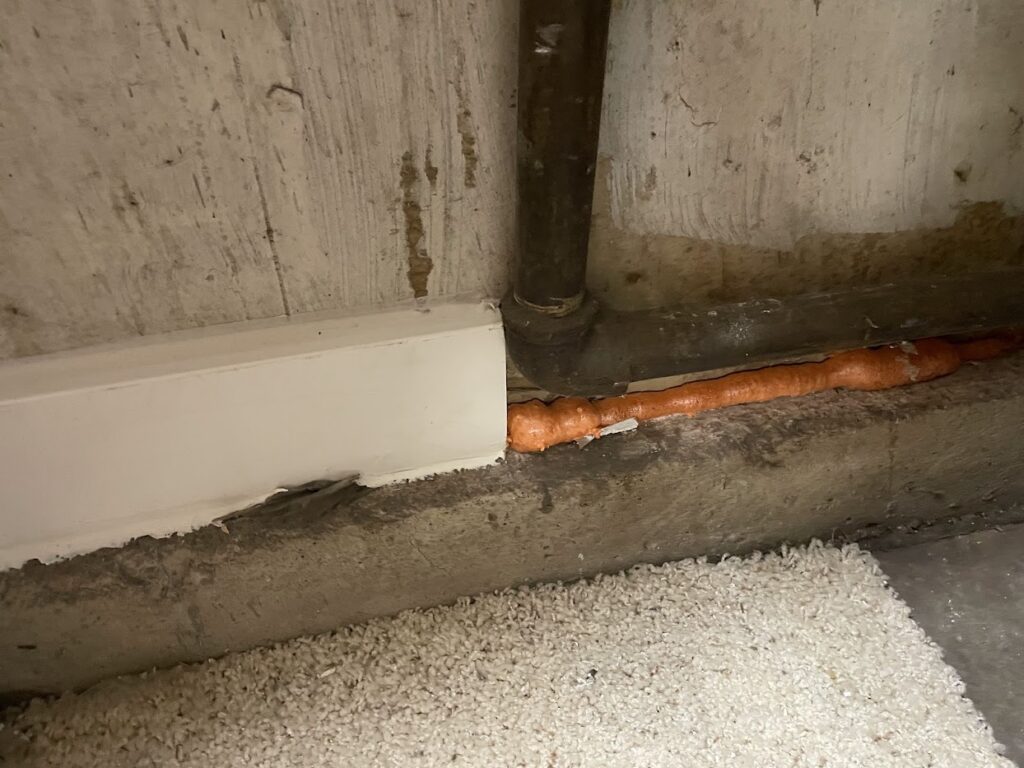
Air sealing the garage is a critical but often overlooked component of maintaining a healthy and energy-efficient home. In most residential construction, the boundary between the garage and the conditioned living space is intended to act as part of the building envelope. However, this interface is frequently compromised by gaps, cracks, and unsealed penetrations. These leakage pathways allow uncontrolled air movement between the garage and the home, undermining indoor air quality and increasing heating and cooling loads.
The garage environment typically contains a variety of airborne contaminants and stored chemicals that should remain isolated from the living space. Common items such as gasoline for lawn equipment, pesticides, solvents, paints, and automotive fluids emit volatile organic compounds (VOCs) and other harmful vapors. When the garage-to-house interface is not properly sealed, these pollutants can infiltrate the home through shared walls, ceilings, and ductwork, posing long-term health risks to occupants.
One of the most serious concerns is carbon monoxide (CO) exposure. Starting or running a gasoline-powered vehicle in the garage—even briefly and even with the overhead door open—produces CO, a colorless and odorless gas that can be lethal at elevated concentrations. Due to pressure differentials and air leakage pathways, CO can quickly migrate into adjacent living spaces if the separation between the garage and home is not airtight. This risk is particularly pronounced in homes with living space such as bedrooms over the garage.
Effective air sealing strategies include sealing all penetrations in the shared wall and ceiling assemblies, such as around electrical boxes, plumbing, duct chases, and framing joints, using appropriate materials like caulk, foam, or gaskets. Weatherstripping should be installed at the door connecting the garage to the home, and air sealing should be applied all around the door trim in addition to the threshold. By establishing a continuous air barrier, homeowners can significantly reduce pollutant transfer, improve indoor air quality, and enhance the overall performance and safety of the building envelope.
If you would like to learn some practical building science so you can understand what is happening in your home, check out our new course Practical Home Performance.