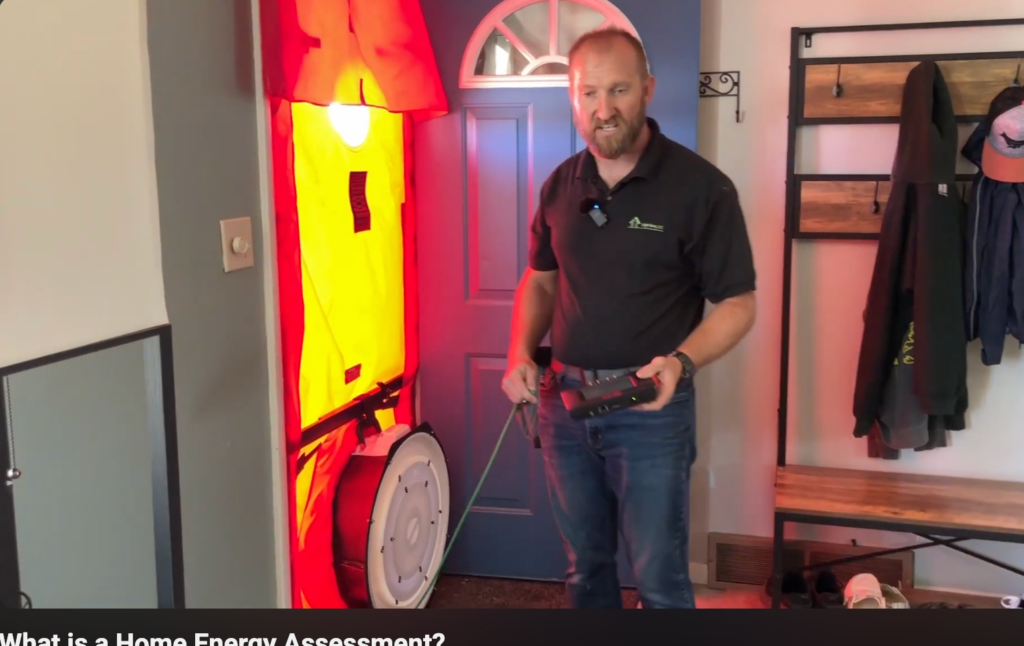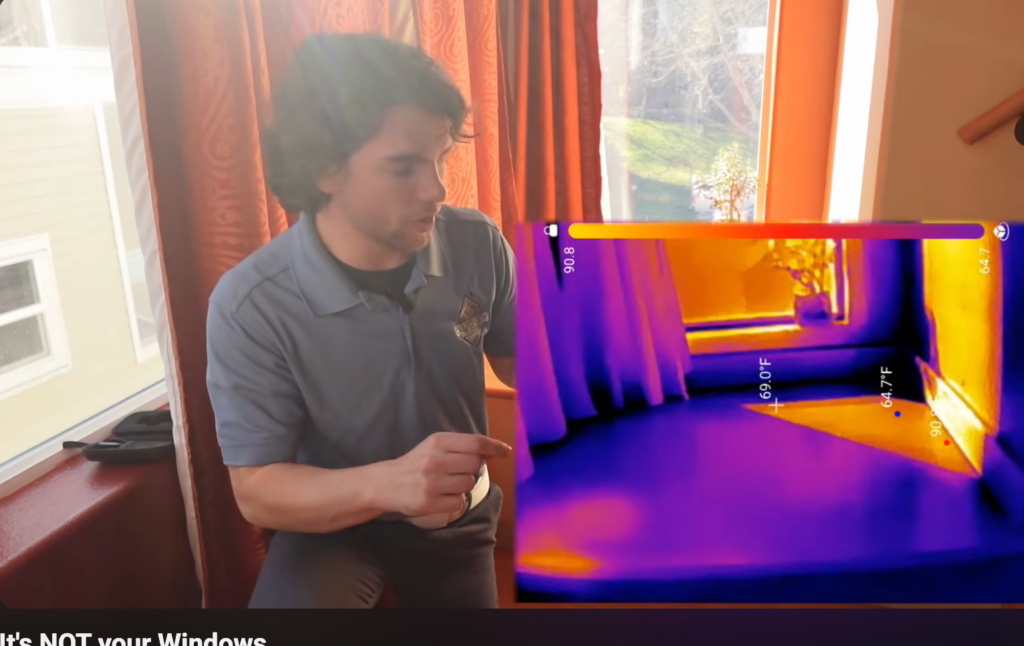
Preparing your home for summer heat doesn’t have to mean expensive upgrades—it starts with understanding how your house actually performs. For DIY-minded homeowners, the most effective first step is a professional energy audit. A comprehensive audit should include a blower door test to measure air leakage and a thermal imaging scan to identify hidden problem areas like missing insulation or air gaps. These diagnostics take the guesswork out of improvements and help you focus on the changes that will make your home more comfortable, healthier, and less expensive to cool.
Beyond testing, one of the simplest and most valuable things you can do is take a look in your attic. Many homes are under-insulated or have uneven insulation coverage, which allows heat to radiate into the living space below. While you’re up there, check for kneewalls—short vertical walls often found in finished attic spaces. These areas frequently lack proper air barriers, meaning hot attic air can move freely into wall cavities and adjacent rooms. You may also encounter older features like whole house fans; if they are not properly sealed with an airtight cover, they can act as a major pathway for heat gain during the summer months.
Air sealing is just as important as insulation when it comes to keeping heat out. Gaps around attic penetrations—such as wiring, plumbing vents, recessed lighting, and top plates—allow hot attic air to infiltrate your home. Sealing these areas with caulk or foam helps maintain a consistent indoor temperature and reduces the workload on your air conditioning system. Addressing these leaks not only improves comfort but also limits the entry of dust, allergens, and humidity, contributing to better indoor air quality.
While it might seem intuitive to add attic fans to combat heat buildup, they are often counterproductive. Powered attic fans can depressurize the attic space, which in turn pulls conditioned air from the home through ceiling leaks and into the attic. This increases energy use and can make your home less comfortable, not more. A better approach is to focus on proper air sealing and adequate insulation levels, which work together to create a more effective thermal boundary and keep the summer heat where it belongs—outside.
If you would like to learn some practical building science so you can understand what is happening in your home, check out our new course Practical Home Performance.