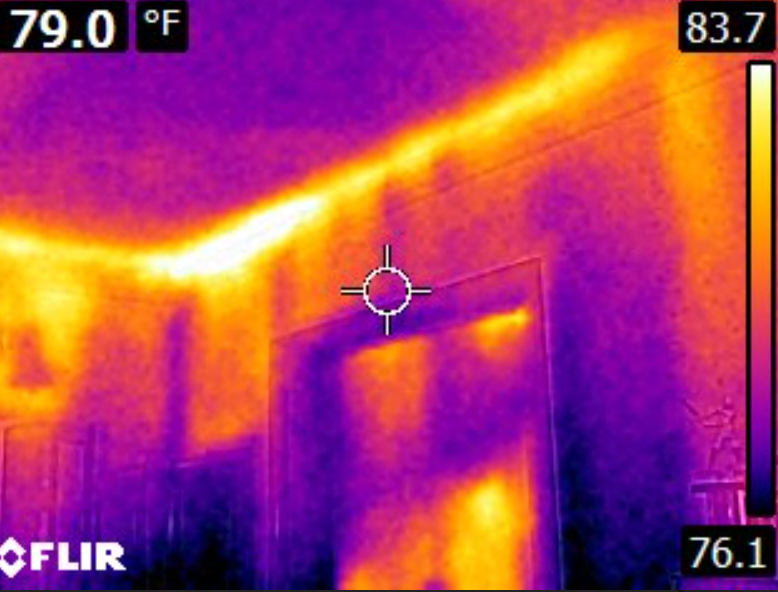
Uneven temperatures between floors are one of the most common comfort complaints in residential buildings. While HVAC equipment often gets the blame, the root cause is frequently the building envelope—specifically, excessive air leakage combined with insufficient or poorly installed insulation. Warm air rises in winter and escapes through leaks in the upper portions of the home (the “stack effect”), pulling in cold air at lower levels. In summer, hot outdoor air infiltrates through the same leaks, while solar heat gains accumulate in the upper floor. Without a well-sealed and properly insulated envelope, even a well-sized HVAC system will struggle to maintain consistent temperatures.
Air leakage is often concentrated in the attic plane and upper walls, where penetrations for wiring, plumbing, recessed lighting, and framing transitions are common. These gaps allow conditioned air to escape and unconditioned air to enter, effectively bypassing insulation. Insulation alone cannot stop airflow; it must be paired with a continuous air barrier. When air sealing is incomplete, insulation performance is significantly degraded, leading to higher heat loss in winter and increased heat gain in summer—both of which are most noticeable in upstairs rooms.
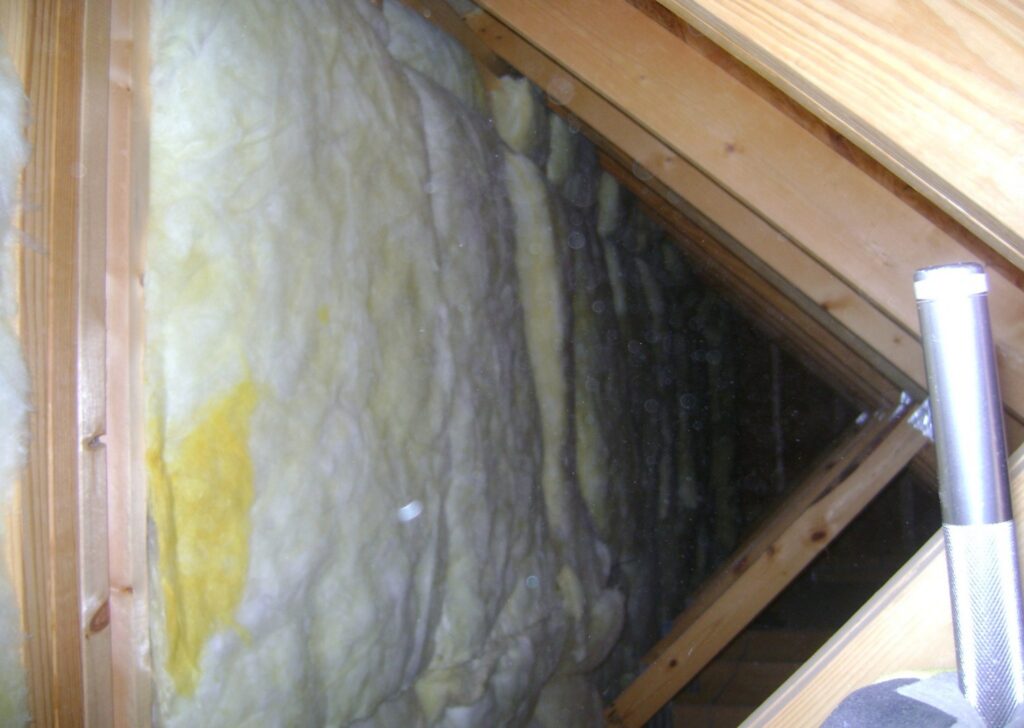
A particularly problematic area in many homes is the kneewall—short vertical walls typically found in finished attic spaces. Kneewalls are frequently under-insulated or improperly detailed, with insulation missing, misaligned, or lacking an air barrier on the attic side. In many cases, the adjacent attic floor and roof slopes are also poorly sealed, allowing air to circulate freely behind the kneewall and bypass the insulation entirely. This creates large temperature swings and drafty conditions in the rooms they enclose, making them uncomfortable year-round.
Addressing these issues requires a building science approach rather than simply upgrading HVAC equipment. Comprehensive air sealing—especially at the attic level—combined with proper insulation installation is essential. Kneewalls should be treated as part of the home’s thermal boundary, with a continuous air barrier and adequate insulation on all sides. By reducing uncontrolled airflow and improving thermal resistance, homeowners can achieve more stable indoor temperatures, improved comfort, and increased energy efficiency across all seasons.
If you would like to learn some practical building science so you can understand what is happening in your home, check out our new course Practical Home Performance.