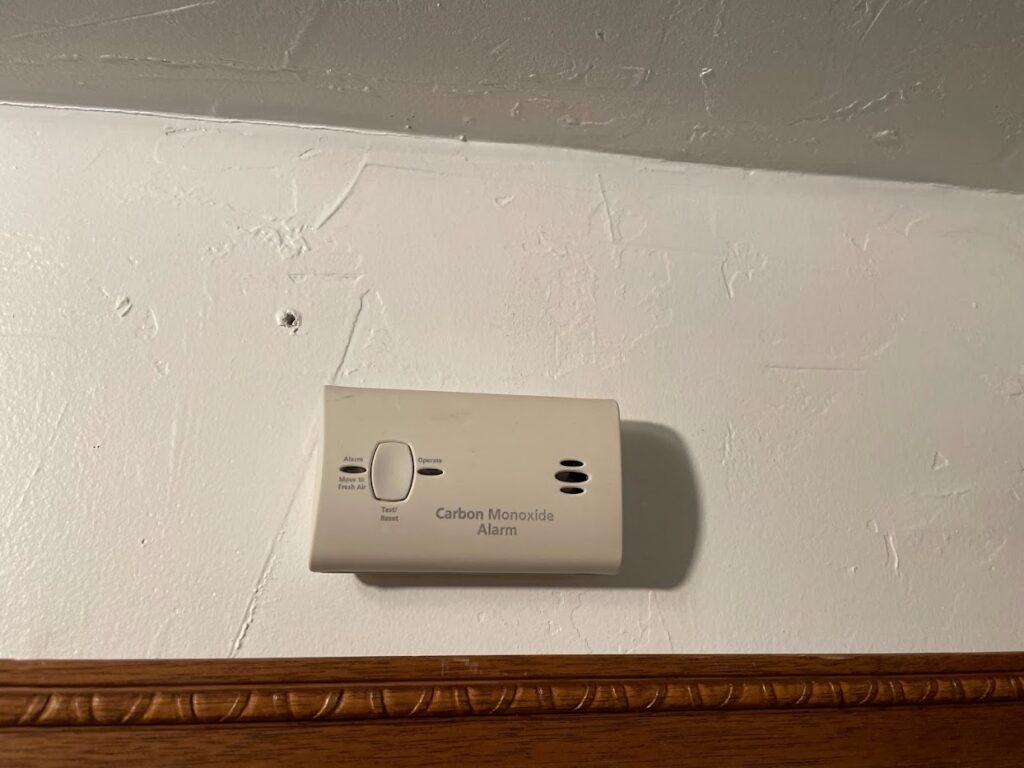
Most consumers assume that installing a carbon monoxide (CO) alarm provides comprehensive protection against this invisible, odorless gas. However, the reality is more nuanced. The widely adopted UL 2034 standard—used to certify most residential CO alarms—was designed primarily to prevent acute poisoning and death, not to safeguard against lower-level, chronic exposure. As a result, many certified alarms will not sound until CO concentrations are already high enough to pose serious immediate danger, potentially leaving occupants unaware of prolonged exposure at levels that can still impact health.
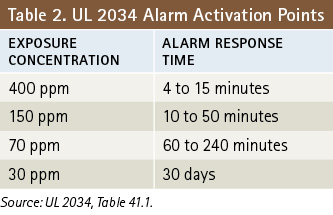
Under UL 2034, CO alarms are permitted to remain silent at concentrations below 30 parts per million (ppm), even though research has shown that sensitive populations—including children, the elderly, pregnant individuals, and those with cardiovascular conditions—may experience symptoms at or below this threshold. Even at levels between 30–70 ppm, alarms may take tens of minutes or longer to activate. This delay is intentional within the standard, which aims to reduce nuisance alarms rather than provide early warning. While this approach may prevent unnecessary panic, it also creates a gap between “alarm activation” and “health protection.”
Low-level CO detectors address this gap by alerting occupants to concentrations as low as 5–10 ppm, offering earlier awareness of developing issues such as malfunctioning appliances, poor ventilation, or vehicle exhaust infiltration. These devices are not typically UL 2034-certified for residential alarm use, which can create confusion for consumers. However, they are often used in professional settings or by safety-conscious homeowners who want more granular insight into indoor air quality. Early detection allows for corrective action before conditions escalate into dangerous territory.
For meaningful protection, consumers should consider using both a standard UL 2034 CO alarm and a low-level CO monitor. The former ensures compliance with building codes and provides protection against life-threatening concentrations, while the latter offers an added layer of health-focused monitoring. Understanding the limitations of current standards is essential: a silent alarm does not necessarily mean safe air. Taking a proactive approach with more sensitive detection can significantly reduce the risks associated with carbon monoxide exposure.
We typically recommend this low level CO detector to our contractors and customers